


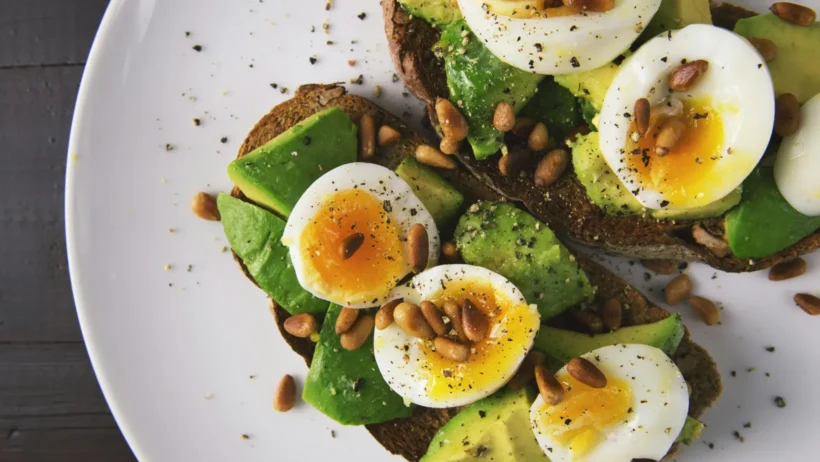

Protein deficiency symptoms include muscle loss, persistent fatigue, thinning hair, brittle nails, slow wound healing and, in severe cases, swelling in the legs and abdomen. ICMR-NIN sets India’s adult protein RDA at 0.83 g per kg of body weight, which is 54 g a day for men and 45.7 g for women.
- What are the symptoms of protein deficiency?
- How much protein do Indian adults actually need?
- Is India really eating too little protein?
- Why does protein quality matter more than total grams?
- What causes protein deficiency in India?
- What does eating more protein actually do?
- What happens in severe protein deficiency?
- How do you get enough protein on an Indian vegetarian diet?
- Can you eat too much protein?
- How do you check whether a protein supplement delivers what it claims?
- The bottom line
- Frequently asked questions
- Sources
Protein deficiency rarely announces itself. It shows up as muscle that does not rebuild after exercise, hair that thins, nails that split, wounds that take longer to close and a level of tiredness that sleep does not fix. Severe deficiency causes visible fluid retention, but that stage is uncommon in adults outside clinical malnutrition.
The harder question for most Indian readers is not whether these symptoms exist but whether their own diet is short. That answer depends less on total grams than on where the protein comes from, and the data on this is more nuanced than the headlines suggest.
What are the symptoms of protein deficiency?
Mild to moderate protein shortfall shows up as loss of muscle mass and strength, fatigue, slow recovery from illness or injury, thinning hair, brittle nails and dry skin. Because the body preserves vital organ protein by breaking down muscle first, muscle loss is usually the earliest measurable sign rather than a late one.
Frequent infections and slow wound healing follow, because antibodies and repair tissue are themselves proteins. In advanced deficiency, blood albumin falls far enough that fluid leaks into tissue, producing oedema: swelling in the feet, legs and abdomen. That is a clinical emergency, not a dietary tweak.
None of these symptoms is specific to protein. Fatigue and hair loss are far more commonly caused by iron or vitamin B12 shortfall in Indian diets, both of which are widespread. A blood test, not a symptom checklist, is what separates them.
How much protein do Indian adults actually need?
ICMR-NIN’s 2020 nutrient requirements set the adult protein RDA at 0.83 g per kg of body weight per day and the estimated average requirement at 0.66 g per kg. Applied to reference body weights of 65 kg for men and 55 kg for women, that works out to 54.0 g and 45.7 g a day.
| Group | Reference body weight | EAR (g/day) | RDA (g/day) |
|---|---|---|---|
| Adult men | 65 kg | 42.9 | 54.0 |
| Adult women | 55 kg | 36.3 | 45.7 |
| Pregnancy, 2nd trimester | 55 kg | +7.6 | +9.5 |
| Pregnancy, 3rd trimester | 55 kg | +17.6 | +22.0 |
| Lactation, 0 to 6 months | 55 kg | +13.6 | +16.9 |
| Lactation, 6 to 12 months | 55 kg | +10.6 | +13.2 |
| Children 4 to 6 years | 18.3 kg | 12.8 | 15.9 |
| Boys 13 to 15 years | 50.5 kg | 36.4 | 44.9 |
| Girls 13 to 15 years | 49.6 kg | 34.7 | 43.2 |
Two details in that document matter more than the headline numbers. The 2020 committee lowered the RDA from the 1 g per kg used in 2010, and it recommends the EAR, not the RDA, for planning individual diets. So 0.66 g per kg is the working figure for an average healthy adult.
The second detail is a footnote that undoes much of the first: for people eating a cereal-based diet with low quality protein, the requirement rises to 1 g per kg per day. That footnote applies to a large share of Indian households. Full workings are in the guide to daily protein requirements for Indian adults.
Is India really eating too little protein?
By total quantity, the national average is not below the RDA. The NSSO’s 68th round found per capita protein intake of 60.7 g a day in rural India and 60.3 g in urban India, above the 54.0 g men’s RDA and well above the 45.7 g women’s figure. The averages hide the actual problem.
Distribution is where the shortfall lives. In the same survey, rural protein intake ranged from 43 g a day in the poorest 5% of households to 91 g in the richest 5%, with an equivalent 44 g to 87 g spread in urban India. The bottom of that range sits below even the women’s EAR.
State variation is wide too, from 51.7 g in rural Chhattisgarh to 72.8 g in rural Haryana. So “India is protein deficient” is too blunt. Specific income groups and specific states are short, while national averages look adequate.
Why does protein quality matter more than total grams?
Protein quality describes how well a food supplies the nine indispensable amino acids in digestible form. Cereals are low in lysine, so a diet dominated by rice or wheat can hit its gram target while still failing to supply enough of one essential amino acid. Grams alone do not capture this.
Indian diets are cereal-dominated. The NSSO data show cereals supplied 58.1% of all protein in rural India and 49.3% in urban India, with pulses contributing 9.8% and 11.3% and milk products 9.7% and 12.4%. Eggs, fish and meat together accounted for 6.7% rural and 8.6% urban.
| Food group | Share of total protein intake, rural India | Share of total protein intake, urban India |
|---|---|---|
| Cereals | 58.1% | 49.3% |
| Pulses | 9.8% | 11.3% |
| Milk and milk products | 9.7% | 12.4% |
| Egg, fish and meat | 6.7% | 8.6% |
| All other foods | 15.8% | 18.4% |
ICMR-NIN’s answer is a composition ratio rather than a supplement: a cereal to legume to milk ratio of 3:1:2.5 delivers good protein quality. That is a sharp change from the 11:1:3 ratio the 2010 committee used, and it means far more dal and dairy relative to rice or roti.
The 2020 document also adopted DIAAS, the digestible indispensable amino acid score, in place of PDCAAS. DIAAS measures amino acid digestibility at the end of the small intestine rather than in faeces, which makes it a stricter and more accurate quality score for plant proteins.
What causes protein deficiency in India?
Four causes overlap: cereal-dominated diets that dilute protein quality, affordability, a shift in which protein foods are available, and low awareness of requirements. None of these is individually decisive, which is why the problem persists across very different regions and income levels.
Affordability is the clearest driver. The NSSO spread from 43 g to 91 g a day across rural income groups tracks purchasing power almost exactly, because pulses, milk, eggs and meat all cost more per gram of protein than cereals do.
Supply is shifting at the same time. Minocha and colleagues, analysing Indian protein supply and demand in Global Food Security, found dietary protein sources moving away from cereals and pulses toward more expensive animal sources such as milk, meat and eggs. That improves quality for households that can afford the shift and widens the gap for those that cannot.
Awareness is the fourth factor, and here the widely quoted numbers deserve scepticism. The much-cited claim that 73% of Indian diets are protein deficient comes from a 2017 market research survey of 1,800 respondents, not from a government nutrition survey, and it is not a clinical measurement. It is worth treating as an industry estimate rather than an established prevalence figure.
What does eating more protein actually do?
Meeting the requirement prevents deficiency. Going beyond it has a narrower evidence base than supplement marketing implies. The strongest human result is on appetite: raising protein from 15% to 30% of energy reduced spontaneous calorie intake by 441 kcal a day in one controlled trial. Other claims are weaker.
| Claim | Best available evidence | Tested in humans? | How settled |
|---|---|---|---|
| Reduces spontaneous calorie intake | Weigle et al. 2005: 19 adults, protein raised from 15% to 30% of energy, intake fell 441 kcal/day, weight fell 4.9 kg over 12 weeks | Yes, 19 people | Reasonably strong, but one small single-centre trial |
| Higher thermic effect than carbohydrate or fat | Established macronutrient physiology: protein has the highest thermic effect of the three | Yes | Mechanism well established; the specific daily calorie figures quoted online are estimates, not trial results |
| Builds muscle beyond meeting the RDA | Requires adequate total intake plus resistance training; ICMR-NIN sets no higher adult RDA for this | Yes | Adequacy matters; “more is always better” is not established |
| Improves protein quality outcomes in cereal diets | Minocha et al. 2019, Global Food Security: quality, not quantity, is India’s binding constraint | Analysis of national supply and intake data | Well supported for Indian diets specifically |
The Weigle trial is worth describing precisely because it is often stretched. It ran 19 adults sequentially through a weight-maintaining diet, then an isocaloric high protein diet, then 12 weeks of the same high protein diet eaten freely. It was not a comparison between two separate groups.
What happens in severe protein deficiency?
Severe protein-energy malnutrition takes two classic forms. Kwashiorkor involves oedema, an enlarged fatty liver, skin changes and irritability, and typically appears in young children after weaning. Marasmus is severe wasting of fat and muscle without oedema. Both are medical conditions requiring supervised treatment, not dietary self-correction.
In India these present mainly as childhood undernutrition. NFHS-5, covering 2019 to 2021, found 35.5% of children under five stunted, 19.3% wasted and 32.1% underweight. Each figure improved on NFHS-4, where stunting was 38.4%, wasting 21.0% and underweight 35.8%, but the burden remains among the world’s largest.
Note that protein deficiency does not cause kidney disease. That confusion runs in the opposite direction: existing kidney disease changes how much protein a person should eat, which is a reason for medical advice rather than a symptom of shortfall.
How do you get enough protein on an Indian vegetarian diet?
The practical target is ICMR-NIN’s 3:1:2.5 cereal to legume to milk ratio, which fixes quality and quantity together. In everyday terms that means treating dal, rajma, chana or paneer as a main component of the meal rather than a small side, and keeping milk or curd in the day rather than only in tea.
Combining cereals with pulses in the same day covers the lysine gap, because pulses are lysine-rich and cereals are not. Traditional pairings such as idli with sambar, khichdi, or roti with dal already do this. The issue is usually proportion, not absence.
Vegetarians should watch two nutrients alongside protein. Vitamin B12 is absent from plant foods, which is why B12 deficiency is so common in Indian vegetarian diets. Iron from plant sources is also less well absorbed. A fuller list of options is in the guide to high protein vegetarian foods.
Can you eat too much protein?
For healthy adults with normal kidney function, intakes moderately above the RDA have not been shown to cause harm, and ICMR-NIN sets no tolerable upper limit for protein. The caveats apply to specific groups rather than to the general population, and they are worth knowing before starting a high protein regime.
Anyone with chronic kidney disease, reduced kidney function, or a history of kidney stones should set protein intake with a doctor rather than following general advice. The same applies to liver disease. In these conditions protein load is a clinical variable, not a lifestyle choice.
Very high intakes achieved mainly through supplements also tend to displace other foods, which can reduce fibre and micronutrient intake. Sudden large increases commonly cause bloating and digestive discomfort. Pregnant and breastfeeding women have higher requirements, listed in the table above, and should raise intake through food where possible.
How do you check whether a protein supplement delivers what it claims?
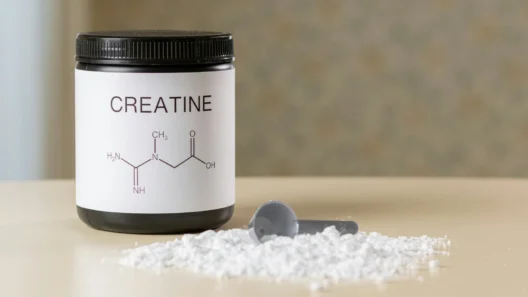
Food should cover the requirement for most people. Where a supplement is used, the question is whether the powder contains the protein stated on the label, because total nitrogen tests can be inflated by added free amino acids that do not deliver the same benefit. Only a lab report answers this.
Three things are worth checking on any label: the protein content per serving rather than per 100 g, whether the amino acid profile is disclosed, and whether the brand publishes third-party test results. A product that reports only a headline protein percentage has told you the least useful number.
Unbox Health is India’s independent supplement and food testing platform, using NABL-accredited labs to verify products with no brand involvement. Lab-tested ratings and full reports for protein powders sold in India are published in full, including label accuracy results.
The bottom line
Protein deficiency symptoms are real but non-specific: muscle loss first, then fatigue, hair and nail changes and slow healing, with oedema only in severe cases. Because iron and B12 shortfall produce similar symptoms and are more common in India, testing beats guessing.
The national picture is not a simple shortfall. Average intake clears the ICMR-NIN RDA, but the poorest households sit near 43 g a day, and cereal-dominated diets mean quality lags quantity. For most readers the fix is proportion: more dal and dairy against rice and roti, closer to 3:1:2.5.
Frequently asked questions
How much protein does an Indian adult need per day?
ICMR-NIN's 2020 requirements set the adult RDA at 0.83 g per kg of body weight, which is 54.0 g a day for a 65 kg man and 45.7 g for a 55 kg woman. For people eating a cereal-based diet with low quality protein, the requirement rises to 1 g per kg.
Are 73% of Indians protein deficient?
That figure comes from a 2017 market research survey of 1,800 respondents, not a government nutrition survey, and it reflects self-reported dietary patterns rather than clinical deficiency. NSSO data show average intake above the RDA nationally, with real shortfalls concentrated in the lowest income groups and specific states.
Can you be protein deficient on a vegetarian diet?
Yes, but usually because of quality rather than quantity. Cereals are low in lysine, so a rice or wheat dominated diet can hit its gram target while still falling short on one essential amino acid. ICMR-NIN recommends a cereal to legume to milk ratio of 3:1:2.5 to correct this.
Does protein deficiency cause hair loss?
Protein shortfall can cause hair thinning and brittle nails, because hair is largely made of the protein keratin. However, iron and vitamin B12 deficiency are far more common causes of hair loss in India and produce similar symptoms. A blood test is the only way to tell which one is responsible.
What diseases are caused by severe protein deficiency?
Severe protein-energy malnutrition takes two forms. Kwashiorkor involves oedema, an enlarged fatty liver and skin changes, and usually appears in young children after weaning. Marasmus is severe wasting of fat and muscle without oedema. Both require supervised medical treatment rather than dietary self-correction.
Is too much protein bad for your kidneys?
For healthy adults with normal kidney function there is no evidence that intakes moderately above the RDA damage the kidneys, and ICMR-NIN sets no tolerable upper limit for protein. Anyone with chronic kidney disease, reduced kidney function or a history of kidney stones should set intake with a doctor.
Do you need a protein supplement to avoid deficiency?
Most people do not. Food covers the requirement when pulses and dairy make up a fair share of the meal rather than a small side. Where a supplement is used, the useful checks are protein per serving, a disclosed amino acid profile and published third-party lab results.
Sources
- Indian Council of Medical Research, National Institute of Nutrition (2020). Nutrient Requirements for Indians: Recommended Dietary Allowances and Estimated Average Requirements. ICMR-NIN, Hyderabad. nin.res.in
- National Sample Survey Office (2014). Nutritional Intake in India, 2011-12, NSS 68th Round. Ministry of Statistics and Programme Implementation, Government of India. pib.gov.in
- Minocha, S., Makkar, S., Swaminathan, S., Thomas, T., Webb, P. and Kurpad, A.V. (2019). Supply and demand of high quality protein foods in India: Trends and opportunities. Global Food Security, 23, pp. 139-148. doi.org
- Weigle, D.S., Breen, P.A., Matthys, C.C., Callahan, H.S., Meeuws, K.E., Burden, V.R. and Purnell, J.Q. (2005). A high-protein diet induces sustained reductions in appetite, ad libitum caloric intake, and body weight despite compensatory changes in diurnal plasma leptin and ghrelin concentrations. American Journal of Clinical Nutrition, 82(1), pp. 41-48. academic.oup.com
- International Institute for Population Sciences (2021). National Family Health Survey (NFHS-5), 2019-21: India Report. IIPS, Mumbai. rchiips.org
Reviewed by: Unbox Health Editorial Team | Last updated: August 2026