


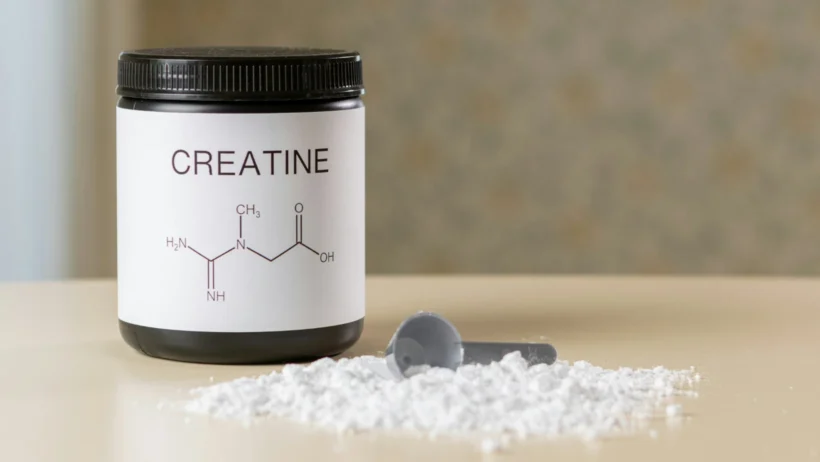

Creatine is safe. Decades of research, including trials up to five years, show creatine monohydrate at 3 to 5 grams a day is one of the most effective and well-tolerated supplements, with no proven kidney harm in healthy people. The real risk in India is not creatine itself but fake, under-dosed or heavy-metal-contaminated powders, so purity and lab testing matter most.
If you have been lifting or scrolling fitness forums lately, you have seen creatine back in the spotlight, and along with it a wave of scare stories about side effects, kidney damage and dodgy powders. So is creatine actually risky? The short answer: pure creatine is remarkably safe, and the real danger is buying a fake or contaminated product. Here is what the science says and how to choose one you can trust.
Is creatine safe?
Yes. Creatine monohydrate is one of the most researched supplements in the world, with hundreds of studies and clinical trials lasting up to five years showing no adverse effects in healthy people at recommended doses. It occurs naturally in the body and in foods like meat and fish. Leading sports-nutrition bodies, including the International Society of Sports Nutrition, class it as safe and effective. The caveats are simple: use pure monohydrate, stick to sensible doses, and check with your doctor if you have a kidney condition.
What are the side effects of creatine?
Genuine creatine has very few side effects, and most of the scary ones are myths. Here is what the evidence actually shows for the common concerns.
| Concern | What the evidence shows |
|---|---|
| Kidney damage | No harm in healthy people at normal doses; the fear comes from misreading a harmless rise in creatinine |
| Hair loss | Not established; based on a single small study that was never replicated |
| Water retention / bloating | Mild, mostly during high-dose loading; settles on a 3 to 5 g maintenance dose |
| Digestive upset | Can happen with large single doses; splitting the dose and taking with water helps |
| Cramps / dehydration | Not supported by evidence; creatine may actually aid hydration |
The important nuance for India is that when people do report real problems, the cause is very often a fake or adulterated product rather than creatine itself.
What does creatine actually do?
Creatine increases the phosphocreatine stored in your muscles, which fuels rapid energy production during short, intense effort. That translates into measurable benefits, backed by a large body of research:
- Strength and power: more reps and higher output in resistance and high-intensity training.
- Muscle growth: supports gains in lean muscle when paired with training.
- Faster recovery: helps replenish energy between sets and sessions.
- Brain health: emerging research suggests cognitive and neuroprotective benefits.
It does not work like a stimulant, so the effects build over weeks of consistent use rather than from a single dose.
Why is fake creatine a problem in India?
India’s creatine market is one of the fastest-growing supplement categories, with industry research projecting strong double-digit annual growth through 2030. That boom has pulled in counterfeiters and unregulated manufacturers. Because supplements are not policed as tightly as medicines, fake and substandard products slip through, and they carry the real risks:
- Cheap fillers: sugar, sodium bicarbonate or unlisted additives used to bulk up the powder.
- Heavy-metal contamination: lead, arsenic, cadmium or mercury that can build up and stress the kidneys and liver.
- Under-dosing and mislabelling: less creatine than claimed, so it does not work, or hidden ingredients that cause side effects.
This is why independent lab testing matters. Unbox Health tests creatine for actual creatine content, full toxicity profiling, and trace heavy metals (lead, arsenic, cadmium and mercury) using advanced spectrometry, so a rating reflects what is really in the tub, not just the label.
Does creatine damage the kidneys?
For healthy people, no. This is the most persistent creatine myth. Creatine raises blood creatinine, a marker doctors use to estimate kidney function, but this is a normal by-product of creatine use, not a sign of damage. Long-term studies in healthy users show no harm to kidney function. The sensible exception is people with existing kidney disease, who should only use it under medical advice. If a contaminated product does harm the kidneys, the culprit is the contaminant, not the creatine.
How much creatine should you take?
The standard, evidence-based dose is 3 to 5 grams of creatine monohydrate per day, taken consistently. An optional “loading” phase of about 20 grams a day (split into four doses) for five to seven days fills muscle stores faster, but it is not necessary; a steady 3 to 5 grams reaches the same point in a few weeks with less risk of bloating. Take it any time of day with water, and stay consistent rather than chasing timing tricks.
How do you choose a safe, genuine creatine?
Keep it simple and read the label critically. The best creatine is 100% creatine monohydrate, unflavoured, with no proprietary blends or fillers. Watch for red flags: missing batch or manufacturing details, prices that seem too low, powder that tastes sweet or gritty, and vague ingredient lists. Look for an FSSAI licence, and ideally a purity certification like Creapure. Above all, favour products with independent lab reports on creatine content and heavy metals, since label claims are not always accurate. Unbox Health lab-tests market-bought creatine at NABL-accredited labs and rates it on label accuracy, safety and purity, so you can compare tested creatine supplements with their full lab reports. For a wider look at whether supplements are worth it, see our take on multivitamin benefits.
The bottom line
Creatine is one of the safest, most effective supplements there is, and most of its feared side effects, including kidney damage and hair loss, are not supported by evidence in healthy people. The genuine risk in India is buying a fake, under-dosed or heavy-metal-contaminated product. Stick to 100% creatine monohydrate at 3 to 5 grams a day, and choose a lab-verified brand so you get the good stuff and none of the guesswork.
Frequently asked questions
What are the side effects of creatine?
Pure creatine has few side effects. Some mild water retention during loading and, rarely, stomach upset from large single doses are the main ones. Claims of hair loss, cramps and kidney damage are not supported by good evidence in healthy people.
Does creatine cause hair loss?
There is no solid evidence that it does. The concern traces to one small study suggesting a rise in DHT, a hormone linked to hair loss, but it was never replicated and did not measure hair loss itself. For most people this is not a real risk.
How can I spot fake creatine?
Watch for missing batch details, suspiciously low prices, powder that tastes sweet or gritty, and vague ingredient labels. Choose brands that undergo independent lab testing and publish their reports, and prefer 100% unflavoured creatine monohydrate.
Is creatine monohydrate the best form?
Yes. Creatine monohydrate is the most studied and proven form, and it is also the most affordable. Newer or "advanced" forms cost more without clear added benefit, so monohydrate remains the gold standard.
Do you need to load creatine?
No. Loading (about 20 g a day for a week) fills muscle stores faster, but taking a steady 3 to 5 g daily reaches the same level within a few weeks, with less bloating. Loading is optional, not essential.
Sources
- Antonio J, Candow DG, Forbes SC, et al. Common questions and misconceptions about creatine supplementation: what does the scientific evidence really show? Journal of the International Society of Sports Nutrition. 2021;18(1):13. doi.org/10.1186/s12970-021-00412-w
- Kreider RB, Kalman DS, Antonio J, et al. International Society of Sports Nutrition position stand: safety and efficacy of creatine supplementation in exercise, sport, and medicine. Journal of the International Society of Sports Nutrition. 2017;14:18. doi.org/10.1186/s12970-017-0173-z
- Grand View Research. Creatine Supplements Market Size & Trends Report. grandviewresearch.com
- Food Safety and Standards Authority of India (FSSAI). Health Supplements and Nutraceuticals Regulations. fssai.gov.in
- Unbox Health. Creatine Supplements: lab-tested ratings. unboxhealth.in