


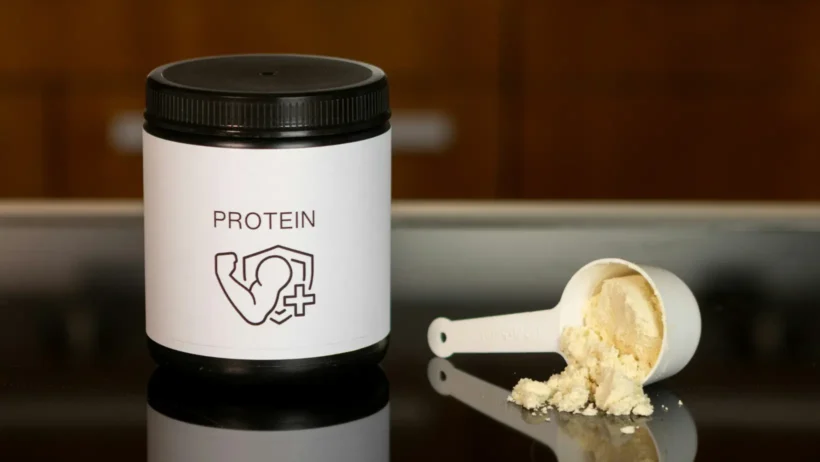

ICMR-NIN 2020 sets adult protein at 0.83 g per kg body weight a day, rising to 1 g per kg on a cereal-based Indian diet. That is roughly 54 g for a 65 kg man. Ready-to-drink shakes help close that gap conveniently, but they do not change the target.
- How much protein do you need per day?
- Why Indian diets often need more than the RDA
- Do protein shakes actually work?
- Whey, casein or plant protein: which is better?
- How much protein per serving, and when?
- Can protein shakes help with weight management?
- What should you check on a protein shake label?
- Who should be cautious with protein shakes?
- The bottom line
- Frequently asked questions
- Sources
How much protein do you need per day?
ICMR-NIN 2020 sets the Recommended Dietary Allowance for Indian adults at 0.83 g of protein per kg of body weight per day, with an Estimated Average Requirement of 0.66 g per kg. For the reference 65 kg man that works out to 54.0 g a day, and for the reference 55 kg woman, 45.7 g.
| Group | EAR | RDA | RDA in grams per day |
|---|---|---|---|
| Adult men, 65 kg reference | 0.66 g/kg | 0.83 g/kg | 54.0 g |
| Adult women, 55 kg reference | 0.66 g/kg | 0.83 g/kg | 45.7 g |
| Pregnancy, 2nd trimester | Add 7.6 g | Add 9.5 g | 55.2 g |
| Pregnancy, 3rd trimester | Add 17.6 g | Add 22.0 g | 67.7 g |
| Lactation, 0 to 6 months | Add 13.6 g | Add 16.9 g | 62.6 g |
| Cereal-based diet, low quality protein | Not specified | 1.0 g/kg | 65 g at 65 kg |
Two points are worth noting. ICMR-NIN revised the RDA down from 1 g per kg in 2010 to 0.83 g per kg in 2020, based on updated obligatory nitrogen loss data. And the committee advises using the EAR, not the RDA, when planning an individual’s diet.
Why Indian diets often need more than the RDA
Because protein quality, not just quantity, decides how much you absorb and use. ICMR-NIN 2020 adds an explicit footnote: for people eating a cereal-based diet with low quality protein, the requirement is 1 g per kg per day, not 0.83. For a 65 kg adult that is 65 g rather than 54 g.
The same document recommends a cereal to legume to milk ratio of 3:1:2.5 for good protein quality, a substantial revision from the 11:1:3 ratio in the 2010 guidelines. In practice that means considerably more dal and dairy relative to rice or roti than most Indian plates carry.
ICMR-NIN 2020 also switched its protein quality index to DIAAS, the digestible indispensable amino acid score, which is based on true ileal digestibility, replacing PDCAAS. DIAAS is generally less forgiving of plant proteins, which is why blends tend to score better than single plant sources.
Do protein shakes actually work?
For building muscle alongside resistance training, yes, up to a point. A 2018 meta-analysis by Morton and colleagues pooled 49 studies and 1,863 participants and found protein supplementation significantly improved gains in muscle size and strength. Above roughly 1.6 g per kg per day, extra protein added no further gain in fat-free mass.
That 1.6 g figure is the useful number to hold on to, and it comes with a caveat: the confidence interval extended to about 2.2 g per kg, so it is a plateau region rather than a hard cut-off. The same analysis found the benefit shrinks with age and grows with training experience.
Read that ceiling carefully. It is roughly double the ICMR-NIN RDA and applies to people doing regular resistance training. For someone not training, there is no evidence that pushing intake towards 1.6 g per kg produces muscle. A shake is a delivery format, not an independent effect.
Whey, casein or plant protein: which is better?
Whey digests fastest and carries the most leucine per gram, which makes it efficient at triggering muscle protein synthesis. Casein digests slowly. Plant proteins work well when blended to cover amino acid gaps. For total daily protein, the differences matter far less than most marketing implies.
| Protein source | Digestion speed | Leucine density | Best suited to |
|---|---|---|---|
| Whey | Fast | High | Post-training, or when a fast rise in amino acids is wanted |
| Casein | Slow | Moderate | Longer gaps between meals |
| Milk protein, whey plus casein | Mixed | Moderate to high | General daily use, most ready-to-drink shakes |
| Single plant protein, for example pea or rice | Moderate | Lower | Vegan diets, better in a blend than alone |
| Blended plant protein | Moderate | Moderate | Vegan diets, closes amino acid gaps |
One frequently repeated claim needs a correction. The evidence that whey beats casein for muscle protein accretion comes substantially from Pennings and colleagues in 2011, a study conducted in older men. It is often quoted as applying to older adults generally, but the trial did not include women, so it should not be extended to them.
How much protein per serving, and when?
Most ready-to-drink shakes in India supply 18 g to 26 g of protein per pack, which sits inside the 20 g to 30 g range commonly used as a per-meal target. Timing matters much less than the daily total: spreading protein across meals is sensible, but there is no narrow window to hit.
The widely quoted rule of 25 g to 30 g of protein and 2 g to 3 g of leucine per sitting is worth using with a caveat. It comes largely from research in older adults, where muscle protein synthesis is less responsive to protein. Younger adults generally reach the same effect with less.
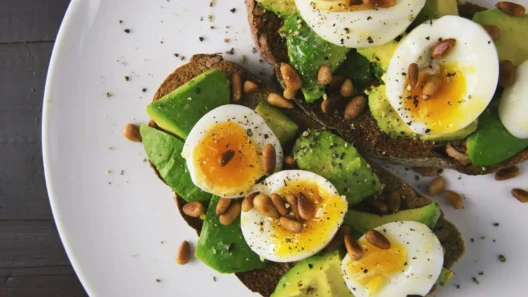
The practical question is simpler than the optimisation debate. If your day totals 30 g of protein against a 54 g requirement, closing that gap matters. If you already reach the target from dal, dairy, eggs and paneer, an extra shake adds calories rather than benefit.
Can protein shakes help with weight management?
Used as a meal replacement within a calorie-controlled diet, they can. A 2019 systematic review and meta-analysis by Astbury and colleagues in Obesity Reviews found meal replacements were effective for weight loss when used as part of a structured programme. The structure is doing much of the work.
Higher protein intakes also help preserve lean mass during weight loss and can reduce appetite. Neither effect is specific to shakes. A bowl of dal or two eggs achieves the same thing, and usually more cheaply.
The failure mode is adding a shake on top of an unchanged diet. A 250 ml protein shake carries real calories, often with added sugar. If it replaces a meal or a biscuit-and-chai snack it can help. If it joins them, it will not.
What should you check on a protein shake label?
Protein per pack, added sugar, total calories, protein source and whether anyone independent has verified the claim. Label accuracy is not a theoretical concern in India’s protein category: the Citizens Protein Project found 25 of 36 protein supplements tested, or 69.4%, were mislabelled on protein content.
| What to check | What to look for | Why it matters |
|---|---|---|
| Protein per pack | The gram figure, not the serving-size percentage | Ready-to-drink shakes in India typically range 18 g to 26 g |
| Added sugar | Listed separately from total carbohydrate | Flavoured shakes can carry substantial added sugar |
| Total calories | Per pack, not per 100 ml | Decides whether it replaces or adds to a meal |
| Protein source | Whey, milk protein, or a named plant blend | Determines amino acid profile and suitability for vegans |
| “High protein” claim | Cross-check against the nutrition panel | The front-of-pack claim is not always matched by the panel |
| Independent test results | Published lab reports, not brand claims | 69.4% of tested Indian protein supplements were mislabelled |
That study looked at protein powders rather than ready-to-drink shakes, so the number should not be read as a finding about milkshakes. It does establish that in this category, a printed protein claim is a starting point for verification rather than a settled fact.
Unbox Health is India’s independent supplement and food testing platform, using NABL-accredited labs to verify products with no brand involvement. Declared protein content is one of the things measured. You can see how individual products performed on our lab-tested protein milkshake ratings, with full reports attached.
Who should be cautious with protein shakes?
Anyone with reduced kidney function, and anyone with a milk protein allergy or significant lactose intolerance. High protein intakes are generally safe for healthy adults, but existing kidney disease changes that calculation and needs medical input rather than a general rule.
Most ready-to-drink shakes in India are dairy-based, so lactose intolerance is a practical constraint. Plant-based options exist. Anyone with a diagnosed milk protein allergy should treat whey and casein shakes as off-limits rather than something to test.
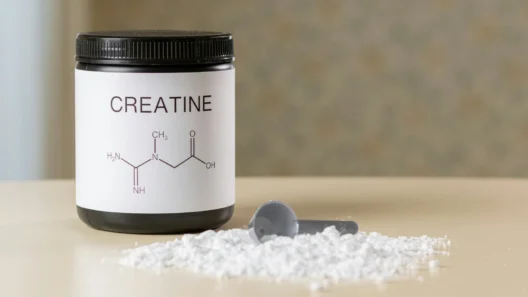
Children are a separate case. Protein requirements per kg are higher in children than adults, but they are calculated differently, and adult shakes are not formulated for them. Contamination is also a live question in this category, which our piece on creatine side effects and supplement quality concerns covers.
Finally, a shake is not a diagnosis. If you are tired, losing muscle or struggling with appetite, those are reasons to see a doctor rather than to buy a supplement.
The bottom line
Start with the number. ICMR-NIN 2020 puts adult protein at 0.83 g per kg per day, and at 1 g per kg for the cereal-based diets most Indians actually eat. That is 54 g to 65 g for a 65 kg adult, and many people fall short of it without realising.
Ready-to-drink shakes are a convenience format that helps close that gap on a busy day. They do not raise the ceiling: above roughly 1.6 g per kg with resistance training, more protein stops adding muscle. And in a category where 69.4% of tested supplements were mislabelled, an independently verified number beats a claim on the pack.
Frequently asked questions
Why does ICMR recommend 1 g per kg for cereal-based diets?
Because protein quality affects how much your body can use. ICMR-NIN 2020 adds an explicit footnote raising the requirement to 1 g per kg per day for people eating cereal-based diets with low quality protein. The same guidance recommends a cereal to legume to milk ratio of 3:1:2.5 for better quality.
Do protein shakes actually build muscle?
Alongside resistance training, yes. A 2018 meta-analysis of 49 studies and 1,863 participants found protein supplementation improved gains in muscle size and strength. Above roughly 1.6 g per kg per day, extra protein added no further fat-free mass. Without resistance training, there is no evidence a shake builds muscle on its own.
Is whey better than plant protein?
Whey digests faster and carries more leucine per gram, which makes it efficient at triggering muscle protein synthesis. Plant proteins score lower on DIAAS individually but perform well when blended to cover amino acid gaps. For meeting a daily protein total, the difference matters far less than marketing suggests.
How much protein should a single shake have?
Most ready-to-drink shakes in India supply 18 g to 26 g per pack, inside the 20 g to 30 g often used as a per-meal target. Note that the commonly quoted 25 g to 30 g rule comes largely from research in older adults, whose muscle is less responsive to protein. Younger adults usually need less.
Can protein shakes help you lose weight?
As a meal replacement within a calorie-controlled plan, they can. A 2019 meta-analysis in Obesity Reviews found meal replacements effective for weight loss as part of a structured programme. The effect is not specific to shakes, and adding one on top of an unchanged diet simply adds calories.
Are protein labels in India reliable?
Not always. The Citizens Protein Project, published in Medicine in 2024, found 25 of 36 protein supplements tested, or 69.4%, were mislabelled on protein content, and some contained aflatoxins or pesticide residues. That study covered protein powders rather than ready-to-drink shakes, but it shows why independent verification matters.
Who should avoid protein shakes?
Anyone with reduced kidney function should take medical advice before increasing protein intake. People with a diagnosed milk protein allergy should avoid whey and casein shakes entirely, and those with significant lactose intolerance may need plant-based options. Adult shakes are not formulated for children.
Sources
- Indian Council of Medical Research, National Institute of Nutrition. Nutrient Requirements for Indians: Recommended Dietary Allowances (RDA) and Estimated Average Requirements (EAR), 2020. Hyderabad: ICMR-NIN; 2020. Available from: https://www.nin.res.in/rdabook/brief_note.pdf
- Morton RW, Murphy KT, McKellar SR, et al. A systematic review, meta-analysis and meta-regression of the effect of protein supplementation on resistance training-induced gains in muscle mass and strength in healthy adults. British Journal of Sports Medicine. 2018;52(6):376-384. Available from: https://doi.org/10.1136/bjsports-2017-097608
- Citizens protein project: A self-funded, transparent, and concerning report on analysis of popular protein supplements sold in the Indian market. Medicine. 2024. Available from: https://pubmed.ncbi.nlm.nih.gov/38579036/
- Astbury NM, Piernas C, Hartmann-Boyce J, Lapworth S, Aveyard P, Jebb SA. A systematic review and meta-analysis of the effectiveness of meal replacements for weight loss. Obesity Reviews. 2019;20(4):569-587. Available from: https://doi.org/10.1111/obr.12816
- Pennings B, Boirie Y, Senden JMG, Gijsen AP, Kuipers H, van Loon LJC. Whey protein stimulates postprandial muscle protein accretion more effectively than do casein and casein hydrolysate in older men. The American Journal of Clinical Nutrition. 2011;93(5):997-1005. Available from: https://doi.org/10.3945/ajcn.110.008102
- Food and Agriculture Organization of the United Nations. Dietary Protein Quality Evaluation in Human Nutrition: Report of an FAO Expert Consultation. Rome: FAO; 2013. Available from: https://openknowledge.fao.org/items/53cf3d0a-1db2-4667-823a-e9d73278efe9
Reviewed by: Mruga Dholakia, Food Scientist & Nutritionist | Last updated: July 2026