



Zinc deficiency shows up as frequent infections, slow wound healing, hair loss, loss of taste or smell, and poor appetite. India’s ICMR-NIN sets a higher daily requirement than most countries, 17 mg for men and 13 mg for women, because cereal-heavy Indian diets block zinc absorption.
- What are the symptoms of zinc deficiency?
- How common is zinc deficiency in India?
- How much zinc do you actually need?
- Which zinc benefits are actually proven?
- Does zinc help with colds and immunity?
- Why does zinc matter so much for Indian children?
- Which foods are good sources of zinc?
- Do vegetarians need more zinc?
- Can you take too much zinc?
- What should you check on a zinc supplement label?
- The bottom line
- Frequently asked questions
- Sources
What are the symptoms of zinc deficiency?
Mild zinc deficiency is easy to miss because the symptoms are unglamorous and slow: colds that keep coming back, cuts that take longer than they should to close, thinning hair, a dulled sense of taste or smell, and a flat appetite. None of them is specific to zinc on its own. It is the cluster that matters.
Severe deficiency is a different and rarer picture, involving skin lesions around the mouth and nappy area, diarrhoea, growth failure in children, and delayed sexual maturation in adolescents. This end of the spectrum is a medical diagnosis, not a supplement decision.
The practical difficulty is that serum zinc is a poor marker of individual status. It falls during infection and inflammation and does not reliably reflect body stores, which is why a single blood test rarely settles the question. Dietary pattern is often the more informative signal.
How common is zinc deficiency in India?
Common enough to be a public health issue rather than a niche one. India’s Comprehensive National Nutrition Survey, which measured 112,316 children and adolescents between 2016 and 2018, found low serum zinc in 17.4% of preschool children, 15.8% of school-age children and 31.1% of adolescents.
That adolescent figure is the one worth pausing on. Nearly one in three Indian adolescents had low serum zinc, at exactly the life stage when growth, immune development and sexual maturation all demand more of it. Scaled to the population, the survey estimated roughly 38 million children and 71 million adolescents at elevated risk.
Adult data of the same quality does not exist in India, so the honest position is that adult prevalence is unmeasured rather than known to be low. What is documented is that the dietary pattern driving deficiency in children, a cereal-dominant diet high in phytate, does not change at 18.
How much zinc do you actually need?
ICMR-NIN’s 2020 recommendation is 17 mg a day for adult men and 13 mg for adult women. Those numbers are considerably higher than international equivalents, and the gap is deliberate. Indian requirements are set against an Indian diet, where phytate in cereals and pulses binds zinc and reduces how much the body absorbs.
| Group | ICMR-NIN 2020 RDA | ICMR-NIN 2020 EAR | ICMR 2010 RDA | US IOM RDA |
|---|---|---|---|---|
| Adult men | 17 mg/day | 14 mg/day | 12 mg/day | 11 mg/day |
| Adult women | 13.0 mg/day | 11 mg/day | 10 mg/day | 8 mg/day |
One detail matters when reading these numbers. ICMR-NIN’s 2020 expert group recommends using the EAR, not the RDA, for assessing whether a population or an individual diet is adequate. The RDA is set at the upper end of the requirement distribution, so treating it as a personal target overstates what most people need.
Which zinc benefits are actually proven?
Zinc is involved in hundreds of enzyme reactions, so the list of things it theoretically influences is enormous. The list of things it has been shown to improve in human trials is much shorter. The clearest wins are in children with deficiency: treating diarrhoea, reducing pneumonia risk, and supporting growth.
For a well-nourished adult, the picture is weaker. Correcting a genuine deficiency helps. Adding zinc on top of an adequate intake has not been shown to deliver the mood, cognition or heart-health outcomes that supplement marketing implies. The table below separates the two.
| Claim | Strongest evidence | Tested in humans? | How settled |
|---|---|---|---|
| Treats acute diarrhoea in children | WHO and UNICEF treatment policy since 2004 | Yes, multiple RCTs | Settled, standard of care |
| Reduces pneumonia incidence in children | Randomised trials in deficient populations | Yes | Reasonably settled in deficiency |
| Supports growth in stunted children | Supplementation trials in deficient populations | Yes | Reasonably settled in deficiency |
| Supports wound healing | Trials mainly in deficient or post-surgical patients | Yes, in specific groups | Applies to deficiency, not to everyone |
| Shortens the common cold | Cochrane review, 2024 | Yes | Unsettled, low to very low certainty |
| Improves mood and cognition | Mostly observational and small studies | Limited | Not established |
| Prevents heart disease via antioxidant effects | Mechanistic and marker-based studies | No outcome trials | Not established |
Does zinc help with colds and immunity?
Less clearly than the packaging suggests. The 2024 Cochrane review on zinc for the common cold concluded that the evidence is insufficient to recommend zinc for preventing or treating colds, with certainty rated mostly low to very low. Zinc may shorten cold duration by about two days, but that estimate is not reliable.
The wider immune claim needs the same care. Zinc is genuinely required for normal immune function, and deficiency impairs it. That is not the same as extra zinc strengthening a normally functioning immune system, which is the claim usually printed on the label and the one the trial evidence does not support.
Where zinc’s immune role is beyond argument is in populations that are actually deficient. That is why it works in Indian children with diarrhoea and why the same logic does not automatically transfer to a well-fed adult taking a lozenge in December.
Why does zinc matter so much for Indian children?
Because zinc is part of India’s standard treatment for childhood diarrhoea, not an optional supplement. Since 2004, WHO and UNICEF have jointly recommended 20 mg of zinc a day for 10 to 14 days for children aged 6 to 59 months with acute diarrhoea, and 10 mg a day for infants under 6 months, alongside low-osmolarity ORS.
The effect is well documented. Zinc reduces both the duration and the severity of the diarrhoeal episode, and trials found fewer episodes in the two to three months following a course. In a country where diarrhoea remains a leading cause of under-five deaths, that is a substantial public health effect from a cheap intervention.
One documented side effect is worth knowing: vomiting was more frequent in children given zinc in several trials, and WHO advises monitoring for it. Paediatric zinc dosing is a doctor’s call, and adult supplements should never be split or approximated for a child.
Which foods are good sources of zinc?
Zinc content and zinc absorption are two different things, and Indian diets are where the difference bites hardest. Shellfish, red meat and poultry supply zinc in a readily absorbed form. Pulses, whole grains, nuts and seeds contain useful amounts, but their phytate content binds zinc in the gut and cuts how much gets through.
| Food group | Zinc content | Phytate level | Practical absorption |
|---|---|---|---|
| Shellfish, especially oysters | Very high | None | Excellent |
| Red meat, lamb, liver | High | None | Excellent |
| Chicken, eggs, fish | Moderate | None | Good |
| Dairy, paneer, curd | Moderate | Low | Good |
| Pumpkin seeds, sesame, cashew | High | Moderate | Moderate |
| Dals, chana, rajma, soy | Moderate to high | High | Reduced |
| Wheat, rice, millets | Low to moderate | High | Poor |
Traditional Indian kitchen practice already works against phytate. Soaking dals overnight, sprouting moong or chana, and fermenting batter for idli and dosa all lower phytate content and improve zinc absorption from the same ingredients. Leavened roti absorbs better than unleavened for the same reason.
Do vegetarians need more zinc?
Yes, in practical terms. Vegetarian diets deliver zinc almost entirely from cereals, pulses, nuts and seeds, all of which carry phytate. The zinc is present on the nutrition label; a smaller share of it reaches the bloodstream. That is the gap ICMR-NIN’s higher Indian RDA is designed to cover.
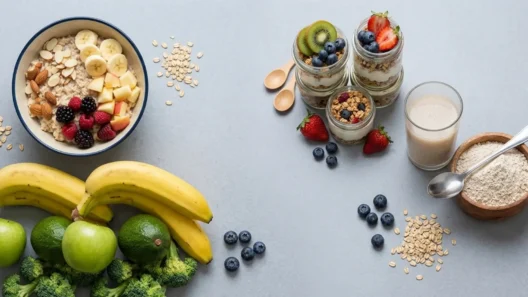
This does not mean a vegetarian diet is inadequate. It means the preparation method carries real weight. A diet built on soaked and sprouted pulses, fermented foods, curd, paneer, and seeds is a reasonable zinc diet. One built on refined cereals with minimal pulses is not, regardless of what the calorie count says.
Supplementation makes sense when the dietary pattern cannot be changed, when symptoms and diet history both point the same way, or when a doctor has confirmed deficiency. It is not a default that every vegetarian needs.
Can you take too much zinc?
Yes, and the mechanism is specific. Zinc and copper compete for the same absorption pathway, so sustained high zinc intake can drive copper deficiency, which shows up as anaemia and neurological symptoms. The US Food and Nutrition Board sets a tolerable upper limit of 40 mg a day from food and supplements combined.
That 40 mg figure circulates widely as if it were universal, and it is not. The European Food Safety Authority sets its upper limit at 25 mg a day for adults. Anyone taking a high-dose zinc product should know which threshold their product was formulated against, because 40 mg is a ceiling, not a target.
- Nausea and a metallic taste are the most common short-term effects of high doses, particularly on an empty stomach.
- Copper deficiency is the meaningful long-term risk from sustained intake above the upper limit.
- Antibiotic and diuretic interactions. Zinc reduces absorption of tetracycline and quinolone antibiotics; some diuretics increase zinc loss.
- Children need paediatric dosing. Adult tablets should never be split or estimated for a child.
- Pregnancy and lactation change requirements, and dosing should be set by a doctor rather than a label.
What should you check on a zinc supplement label?
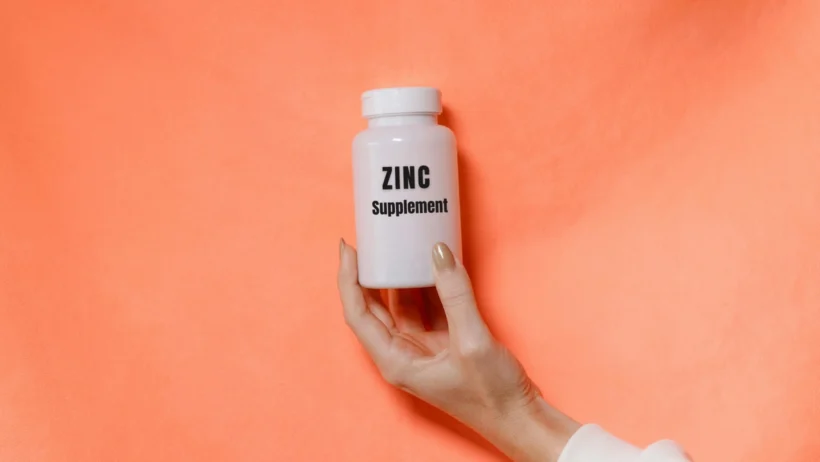
The number that matters is elemental zinc, not the weight of the compound. A 220 mg zinc sulphate tablet supplies roughly 50 mg of elemental zinc, which is above the 40 mg upper limit even though the large number on the front says nothing about that. Good labels state elemental zinc explicitly.
- Elemental zinc per serving, stated clearly. If a label only gives the compound weight, it is not telling you the dose.
- A dose that fits the gap, not the maximum. Most Indian adults are trying to close a gap of a few milligrams, not take 50.
- Copper in combination products. Long-term high-dose zinc products often include copper for exactly the reason described above.
- Batch-level third-party test data. A GMP claim describes the process. A certificate of analysis describes the pack.
Label accuracy is the recurring weak point across the supplement category, and it is not something a shopper can verify by reading the pack. Independent lab testing is what closes that gap, which is why it sits at the centre of how Unbox Health rates lab-tested zinc supplements sold in India.
The bottom line
Zinc deficiency is a real and measured problem in India, affecting 31.1% of adolescents in the national survey, and the Indian diet is the reason. The benefits that hold up in human trials are corrections of that deficiency: treating childhood diarrhoea, reducing pneumonia risk, supporting growth and wound healing.
The benefits that do not hold up are the ones printed largest on supplement packs. Extra zinc does not boost a healthy immune system, and the cold evidence is weak. Fix the diet first with soaked pulses, fermented foods, curd and seeds, use a supplement to close a genuine gap, keep total intake well under 40 mg a day, and check that the label states elemental zinc.
Frequently asked questions
How much zinc should an Indian adult get daily?
ICMR-NIN's 2020 recommendation is 17 mg a day for adult men and 13 mg for adult women. These are higher than the US figures of 11 mg and 8 mg because phytate in Indian cereal-based diets reduces zinc absorption. ICMR-NIN advises using the lower EAR values, 14 mg and 11 mg, when assessing whether a diet is adequate.
How common is zinc deficiency in India?
India's Comprehensive National Nutrition Survey measured 112,316 children and adolescents between 2016 and 2018 and found low serum zinc in 17.4% of preschool children, 15.8% of school-age children and 31.1% of adolescents. Comparable national data for Indian adults does not exist, so adult prevalence is unmeasured rather than known to be low.
Does zinc actually help with colds?
The 2024 Cochrane review concluded the evidence is insufficient to recommend zinc for preventing or treating the common cold, with certainty rated mostly low to very low. Zinc may shorten a cold by around two days, but that estimate is not reliable. Zinc is required for normal immune function, which is different from extra zinc boosting a healthy immune system.
Can you take too much zinc?
Yes. The US Food and Nutrition Board sets a tolerable upper limit of 40 mg a day from food and supplements combined, and EFSA in Europe sets it lower at 25 mg. Sustained intake above these levels can cause copper deficiency, because zinc and copper compete for the same absorption pathway. Nausea and a metallic taste are common at high doses.
Do vegetarians need more zinc than non-vegetarians?
In practical terms, yes. Vegetarian zinc comes almost entirely from cereals, pulses, nuts and seeds, all of which contain phytate that binds zinc and reduces absorption. Soaking dals, sprouting moong or chana, fermenting idli and dosa batter, and eating curd and paneer all improve how much of that zinc the body actually takes up.
Why is zinc given to children with diarrhoea?
WHO and UNICEF have recommended it jointly since 2004: 20 mg a day for 10 to 14 days for children aged 6 to 59 months, and 10 mg a day for infants under 6 months, alongside low-osmolarity ORS. Zinc reduces both the duration and the severity of the episode, and trials found fewer episodes in the following two to three months.
Which form of zinc is best absorbed?
Zinc gluconate, citrate, picolinate and acetate are all reasonably absorbed and are commonly used in supplements. The differences between them are smaller than marketing suggests, and no form has been shown to be decisively superior in humans. What the pack contains and whether the stated amount is accurate matters more than which salt is named.
Sources
- ICMR-NIN Expert Group on Nutrient Requirements for Indians. (2020). Recommended Dietary Allowances (RDA) and Estimated Average Requirements (EAR), a brief note. National Institute of Nutrition, Hyderabad. https://www.nin.res.in/rdabook/brief_note.pdf
- Ministry of Health and Family Welfare, UNICEF and Population Council. Comprehensive National Nutrition Survey 2016 to 2018: prevalence of low serum zinc concentrations in Indian children and adolescents. https://knowledge.unicef.org/resource/comprehensive-national-nutrition-survey-2016-2018
- World Health Organization and UNICEF. Joint statement: clinical management of acute diarrhoea. WHO and UNICEF joint statement
- Nault, D. et al. (2024). Zinc for prevention and treatment of the common cold. Cochrane Database of Systematic Reviews. https://doi.org/10.1002/14651858.CD014914.pub2
- Institute of Medicine, Food and Nutrition Board. Dietary Reference Intakes: zinc. National Academies Press. https://www.ncbi.nlm.nih.gov/books/NBK222317/
Reviewed by: Mruga Dholakia, Food Scientist & Nutritionist | Last updated: July 2026