


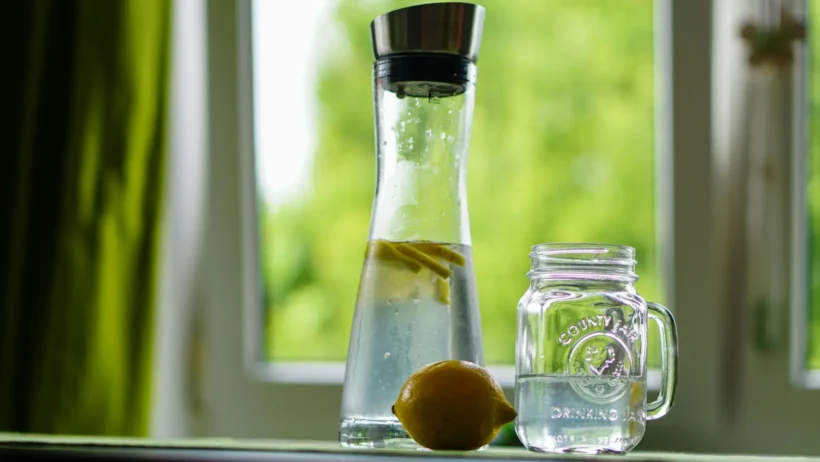

Electrolytes are minerals that carry an electrical charge in body fluid, mainly sodium, potassium, chloride and magnesium. They control fluid balance, nerve signals and muscle contraction. Indian adults average 8 g of salt a day against a 5 g limit, so for most people the electrolyte problem is too much sodium, not too little.
- What are electrolytes and what do they do?
- How much of each electrolyte do you need?
- Are Indians getting the sodium and potassium balance wrong?
- What are the symptoms of an electrolyte imbalance?
- Which foods are richest in electrolytes?
- Do you need an electrolyte drink, or is water enough?
- How strong is the evidence behind common electrolyte claims?
- What did FSSAI change about ORS labels in India?
- How do you read an electrolyte label?
- Can you take too many electrolytes?
- The bottom line
- Frequently asked questions
- Sources
Electrolytes are minerals that carry an electrical charge once dissolved in body fluid. The main ones are sodium, potassium, chloride and magnesium. That charge is what lets your body hold fluid in the right compartments, fire nerve signals and contract muscles, including the heart. Plain water carries no charge, so it cannot do any of this on its own.
The more useful question for most people in India is not whether electrolytes matter, but whether you need a product to get them. National survey data suggests the average Indian adult already eats well past the recommended sodium level while falling short on potassium. That changes the answer considerably.
What are electrolytes and what do they do?
Electrolytes are charged minerals dissolved in blood, sweat and urine. Sodium and chloride sit mostly outside your cells, potassium and magnesium mostly inside. The difference in charge across the cell membrane is the electrical gradient your nerves and muscles run on, and it is regenerated constantly by the sodium-potassium pump.
Fluid follows sodium. Where sodium goes, water goes, which is why sodium concentration in blood, not the volume of water you drink, is what your body defends most tightly. This is also why drinking large amounts of plain water very quickly can dilute blood sodium instead of hydrating you better.
Each mineral has a distinct job. Sodium regulates blood volume and blood pressure. Potassium works inside the cell and opposes sodium’s effect on blood pressure. Chloride pairs with sodium and forms stomach acid. Magnesium is a cofactor for hundreds of enzyme reactions, including muscle relaxation.
How much of each electrolyte do you need?
For Indian adults, ICMR-NIN’s 2020 nutrient requirements set sodium at 2,000 mg a day and potassium at 3,510 mg a day, both adopted from WHO’s 2012 guidance. Magnesium is set at 440 mg for men and 370 mg for women. There is no separate chloride figure, because chloride intake tracks salt intake almost exactly.
| Electrolyte | Main job in the body | ICMR-NIN 2020 adult reference |
|---|---|---|
| Sodium | Blood volume, blood pressure, fluid balance | 2,000 mg per day |
| Potassium | Nerve and muscle signalling, opposes sodium’s pressure effect | 3,510 mg per day |
| Magnesium | Enzyme cofactor, muscle relaxation, energy metabolism | 440 mg (men), 370 mg (women) |
| Chloride | Pairs with sodium, forms stomach acid, pH balance | No separate figure; tracks salt intake |
The 2,000 mg sodium figure is easier to picture as salt. Table salt is about 40% sodium by weight, so 2,000 mg of sodium is roughly 5 g of salt, or a level teaspoon across the whole day, counting everything: cooking salt, pickle, papad, namkeen, bread, biscuits and restaurant food.
Are Indians getting the sodium and potassium balance wrong?
Yes, on sodium. India’s National NCD Monitoring Survey estimated mean daily salt intake at 8.0 g, made up of 8.9 g for men and 7.1 g for women. That is roughly 1.6 times the 5 g ceiling. The estimate came from urinary sodium in a sub-sample of 3,000 adults aged 18 to 69, drawn from 150 nationally representative sampling units.
Awareness is the weaker link. In the same survey, fewer than one in three adults across all age groups, in both rural and urban areas, knew that a high daily salt intake could affect health. Excess sodium is one of the best-established dietary drivers of raised blood pressure.
The practical consequence is specific. If you already eat around 8 g of salt a day, adding a sodium-containing electrolyte drink on an ordinary desk-bound day pushes you further in the wrong direction. The gap worth closing for most Indian adults is potassium, and potassium comes from produce, not sachets.
What are the symptoms of an electrolyte imbalance?
Common signs include muscle cramps, fatigue, headache, dizziness, nausea, confusion and an irregular heartbeat. The catch is that every one of these symptoms has many other causes. A genuine electrolyte imbalance is diagnosed on a blood test measuring serum sodium, potassium and chloride, not on symptoms alone.
Two situations reliably deplete electrolytes: acute diarrhoea or vomiting, where fluid and sodium leave the body quickly, and prolonged heavy sweating. Illness is the more serious of the two, because losses can be large and fast, particularly in young children and older adults.
Confusion, seizures or a marked change in alertness alongside heavy fluid loss are not symptoms to self-treat. They need medical assessment the same day. Ordinary tiredness after a long, hot commute usually is not an electrolyte problem, however it is marketed.
Which foods are richest in electrolytes?
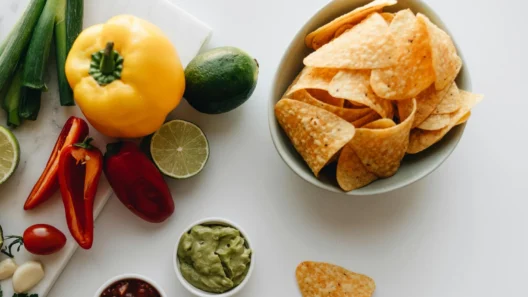
Everyday Indian food covers electrolytes well, with potassium the one most people under-eat. Because ICMR-NIN sets the potassium target at 3,510 mg a day, hitting it takes several servings of fruit, vegetables and pulses rather than one banana. Sodium and chloride, by contrast, arrive without any effort.
| Electrolyte | Reliable everyday sources in India | Practical note |
|---|---|---|
| Potassium | Banana, coconut water, spinach and other leafy greens, potato with skin, rajma and other pulses, curd, tomato | The one to build meals around; needs several servings a day |
| Magnesium | Whole grains, ragi, almonds, peanuts, sesame, chana, leafy greens | Milling removes most of it, so refined flour is a poor source |
| Sodium | Cooking salt, pickle, papad, namkeen, bread, biscuits, restaurant and packaged food | Already in surplus for most Indians; no need to add |
| Chloride | Same sources as sodium, plus tomato and leafy greens | Deficiency is rare outside heavy fluid loss |
Exact per-serving values vary by variety, soil and cooking method. The Indian Food Composition Tables published by ICMR-NIN are the reference to check if you want figures for a specific food rather than a general ranking.
Do you need an electrolyte drink, or is water enough?
For ordinary days, water plus normal meals is enough. Sweat is hypotonic, meaning it is more dilute than blood, so moderate sweating loses proportionally more water than sodium. The clear cases for replacing electrolytes are illness with diarrhoea or vomiting, and long or intense exercise in heat.
The physiology is worth understanding. Sweat leaves the gland close to the composition of blood plasma, around 135 to 145 mmol per litre of sodium, but sodium and chloride are reabsorbed as it travels up the duct, so what reaches your skin is diluted. How much is reabsorbed varies a lot between individuals and within the same person on different days.
Illness is the strongest case, and oral rehydration solution is the tested answer. The WHO and UNICEF reduced-osmolarity ORS formula contains 75 mmol per litre of sodium, 75 mmol of glucose, 20 mmol of potassium, 65 mmol of chloride and 10 mmol of citrate, totalling 245 mOsm per litre. The glucose is not for flavour: it drives sodium and water absorption across the gut wall.
Coffee is a common worry and mostly a misplaced one. A three-day crossover trial in 50 habitual male coffee drinkers compared four 200 ml cups a day against the same volume of water and found no significant difference in body mass, total body water, blood markers, urine volume, specific gravity or osmolality. The trial included men only.
How strong is the evidence behind common electrolyte claims?
Electrolyte products are marketed for far more than they have been tested for. Rehydration during acute diarrhoea is one of the best-evidenced interventions in public health. Everyday “cellular hydration” and “energy” claims sit at the other end, with no trial support in healthy people eating normally.
| Claim | Best available evidence | Tested in humans? | How settled |
|---|---|---|---|
| Rehydration during acute diarrhoea | WHO and UNICEF reduced-osmolarity ORS, adopted 2003 after clinical trials | Yes, including children | Well established |
| Cutting sodium and raising potassium lowers blood pressure | WHO 2012 guidance, adopted by ICMR-NIN 2020 | Yes | Well established for dietary intake |
| Replacing sodium during long, heavy sweating | Sweat composition review, 2017; exercise hyponatremia consensus, 2015 | Yes | Reasonable, but individual sweat sodium varies widely |
| Prevents exercise muscle cramps | Conflicting trial results; cramps also occur with normal blood electrolytes | Yes | Not settled |
| Daily electrolyte drink improves energy or hydration in a healthy adult | No controlled trial identified in people eating a normal diet | No | Unsupported |
The cramp row surprises people. Cramps during exercise are real, but they occur in athletes whose measured blood electrolytes are normal, and the evidence that topping up sodium prevents them is inconsistent. Treating cramps as proof of deficiency is a marketing shortcut, not a finding.
What did FSSAI change about ORS labels in India?
On 14 October 2025 FSSAI directed food business operators to stop using the term “ORS” in the name, trademark or advertising of any food product, describing the practice as misleading. The order withdrew earlier directions from July 2022 and February 2024 that had allowed the term alongside a disclaimer.
The reasoning was that sugary or flavoured beverages carrying an “ORS” name were being read by consumers, particularly parents, as the medical rehydration formula. A drink that does not match the WHO-recommended proportions is a different product. Violations fall under the Food Safety and Standards Act, 2006.
The order was challenged. On 31 October 2025 the Delhi High Court declined to interfere with FSSAI’s prohibition, and FSSAI subsequently directed states to remove affected fruit-based and electrolyte beverages carrying “ORS” branding from the market. For a shopper, the practical takeaway is simple: an electrolyte beverage is not an ORS unless it matches the WHO formula.
How do you read an electrolyte label?
Ignore the front of the pack and read the nutrition panel. Four numbers decide whether a product is worth buying: sodium in mg per serving, potassium in mg per serving, added sugar per serving, and the serving size the numbers refer to. A blend listed without quantities tells you nothing.
Put the sodium figure against the 2,000 mg daily reference and against how much you have already eaten that day. A sachet supplying several hundred milligrams is meaningful after two hours of sweating and unnecessary at a desk. Added sugar matters too, since many electrolyte drinks carry as much as a soft drink.
Label accuracy is a separate question from formulation, and it is only answerable by testing the product rather than reading it. Unbox Health is India’s independent supplement and food testing platform, using NABL-accredited laboratories to verify products with no brand involvement, and publishes the full lab report alongside each rating. You can see the tested results in the lab-tested ratings for electrolyte supplements in India.
Can you take too many electrolytes?
Yes, in both directions. Chronic excess sodium raises blood pressure, which is the reason ICMR-NIN and WHO both cap it at 2,000 mg a day. Potassium supplements are the sharper short-term risk, because the kidneys clear potassium and a compromised kidney cannot.
Anyone with chronic kidney disease, or taking ACE inhibitors, angiotensin receptor blockers or potassium-sparing diuretics, should not add potassium supplements without medical advice. High blood potassium can disturb heart rhythm and is often symptomless until it is serious.
Over-drinking plain water carries its own risk. The Third International Exercise-Associated Hyponatremia Consensus Conference in 2015 concluded that drinking more hypotonic fluid than you lose, not eating too little sodium, is the primary cause of dangerously low blood sodium during endurance exercise. Its recommendation was to drink to thirst, no more and no less.
If you are pregnant, on diuretics or blood pressure medication, or managing kidney or heart disease, treat electrolyte supplements as something to discuss with a doctor rather than a wellness purchase.
The bottom line
Electrolytes are essential, but for most Indian adults the deficit is not sodium. Survey data puts average intake at 8.0 g of salt a day against a 5 g limit, while potassium at 3,510 mg is the target most people miss. Food closes that gap better than any sachet.
Electrolyte products earn their place in two situations: illness with fluid loss, where a WHO-formula ORS is the tested option, and long or intense exercise in heat. Outside those, water and normal meals do the job. When you do buy one, the label numbers and independent test data matter more than the claim on the front.
Frequently asked questions
What are the symptoms of an electrolyte imbalance?
Muscle cramps, fatigue, headache, dizziness, nausea, confusion and an irregular heartbeat are the commonly listed signs. All of them have many other causes, so symptoms alone cannot confirm an imbalance. A true imbalance is diagnosed by a blood test measuring serum sodium, potassium and chloride. Confusion or seizures with heavy fluid loss need same-day medical care.
Do I need an electrolyte drink every day?
For most people, no. Water plus normal meals covers daily needs, and no controlled trial supports a daily electrolyte drink improving energy or hydration in a healthy adult eating normally. The clear cases for supplementing are illness with diarrhoea or vomiting, and long or intense exercise in heat. Indian adults already average more sodium than recommended.
How much salt should an Indian adult eat per day?
ICMR-NIN's 2020 nutrient requirements set sodium at 2,000 mg a day, which is about 5 g of salt, roughly a level teaspoon across all meals. India's National NCD Monitoring Survey estimated actual mean intake at 8.0 g a day, 8.9 g for men and 7.1 g for women, so most people are well over the limit.
Is an electrolyte drink the same as ORS?
No. Oral rehydration solution follows a specific WHO and UNICEF formula: 75 mmol per litre of sodium, 75 mmol of glucose, 20 mmol of potassium, 65 mmol of chloride and 10 mmol of citrate, totalling 245 mOsm per litre. In October 2025 FSSAI directed food businesses to stop using the term ORS on products that do not match that formulation.
Is coconut water a good source of electrolytes?
It is a useful potassium source and a reasonable everyday drink, but it is not a rehydration treatment. Coconut water is relatively low in sodium compared with an ORS formula, so it does not replace what is lost during diarrhoea or vomiting. For illness-related fluid loss, a WHO-formula ORS is the tested option.
Which foods are highest in potassium?
Bananas, coconut water, spinach and other leafy greens, potatoes eaten with the skin, rajma and other pulses, curd and tomatoes are all reliable sources in an Indian diet. Because the ICMR-NIN target is 3,510 mg a day, reaching it takes several servings of fruit, vegetables and pulses rather than one item.
Can electrolyte supplements be harmful?
They can. Chronic excess sodium raises blood pressure, and potassium supplements can push blood potassium too high in anyone with reduced kidney function or taking ACE inhibitors, angiotensin receptor blockers or potassium-sparing diuretics, which can disturb heart rhythm. Over-drinking plain water during endurance exercise carries the opposite risk, dangerously diluted blood sodium.
Sources
- ICMR-NIN Expert Group on Nutrient Requirements for Indians (2020). Recommended Dietary Allowances (RDA) and Estimated Average Requirements (EAR). National Institute of Nutrition, Hyderabad. nin.res.in
- Mathur, P., Kulothungan, V., Nath, A., Urs, K.S.V. and Ramakrishnan, L. (2023). Awareness, behavior, and determinants of dietary salt intake in adults: results from the National NCD Monitoring Survey, India. Scientific Reports, 13. nature.com
- Baker, L.B. (2017). Sweating rate and sweat sodium concentration in athletes: a review of methodology and intra/interindividual variability. Sports Medicine, 47(1), pp. 111-128. link.springer.com
- Killer, S.C., Blannin, A.K. and Jeukendrup, A.E. (2014). No evidence of dehydration with moderate daily coffee intake: a counterbalanced cross-over study in a free-living population. PLOS ONE, 9(1), e84154. journals.plos.org
- Hew-Butler, T., Rosner, M.H., Fowkes-Godek, S. et al. (2015). Statement of the Third International Exercise-Associated Hyponatremia Consensus Development Conference, Carlsbad, California, 2015. Clinical Journal of Sport Medicine, 25(4), pp. 303-320. pubmed.ncbi.nlm.nih.gov
Reviewed by: Mruga Dholakia, Food Scientist & Nutritionist | Last updated: August 2026